
Symposium 2021
A year centred on student innovation, biomedical research, STEM outreach, and science communication across Australia. Explore virtual symposiums, biotechnology challenges, women in STEM initiatives, regenerative medicine breakthroughs, student research achievements, health and wellbeing research spotlights, and educational engagement programs that shaped the 2021 BIOTech Futures journey.

2021 Research Spotlight
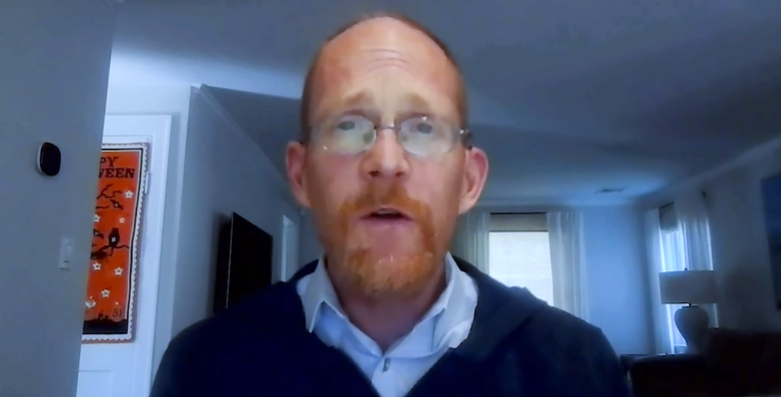
Could gratitude make your life better?
Health & Wellbeing Research Feature
A research feature exploring how gratitude may positively influence emotional resilience, mental health, and physical wellbeing through findings shared by Harvard researchers.
The science of gratitude
Harvard Professors Laura Kubzansky and Jeff Huffman explained the research around gratitude's physical and emotional benefits and how positive psychology may influence long-term wellbeing.
Key themes
Research on gratitude and wellbeing
Mental and physical health benefits
Harvard research feature
Behavioural science and psychology insights
Public science communication
Featured researchers
- Professor Laura Kubzansky
- Professor Jeff Huffman
The feature in full
This feature explored emerging research into gratitude and its relationship with emotional and physical wellbeing.
Harvard researchers Laura Kubzansky and Jeff Huffman discussed how gratitude practices may contribute to improved mental health, reduced stress, and stronger emotional resilience.
The article highlighted the growing connection between behavioural science, psychology, preventative healthcare, and overall quality of life.
2021 Research Spotlight
Using AI to prevent blood clots and strokes
Artificial Intelligence & Healthcare Innovation
A healthcare AI research feature exploring how machine-learning algorithms can predict atrial fibrillation risk years in advance using electrocardiogram data.
Predicting risk with AI
Researchers from Massachusetts General Hospital and the Broad Institute developed an artificial intelligence-based method capable of predicting atrial fibrillation risk up to five years in advance using electrocardiogram results.
Key themes
AI-based atrial fibrillation prediction
Machine learning in healthcare diagnostics
Stroke prevention research
Electrocardiogram data analysis
Collaboration between MGH and Broad Institute
Featured researchers
- Steven A. Lubitz
- Anthony Philippakis
- Shaan Khurshid
The feature in full
The study explored how artificial intelligence and machine-learning technologies can support early detection of atrial fibrillation, a condition linked to blood clots and stroke risk.
Researchers developed predictive algorithms using electrocardiogram data from tens of thousands of patients receiving primary care at Massachusetts General Hospital. The method was later validated across multiple large-scale datasets involving more than 83,000 individuals.
The AI system demonstrated strong predictive performance independently and when combined with existing clinical risk factors. Researchers suggested the technology could support earlier screening, improve preventative healthcare strategies, and reduce the likelihood of stroke through earlier intervention.
The feature highlighted the growing role of machine learning and data science technologies in transforming modern cardiology and precision medicine.
2021 Student Spotlight
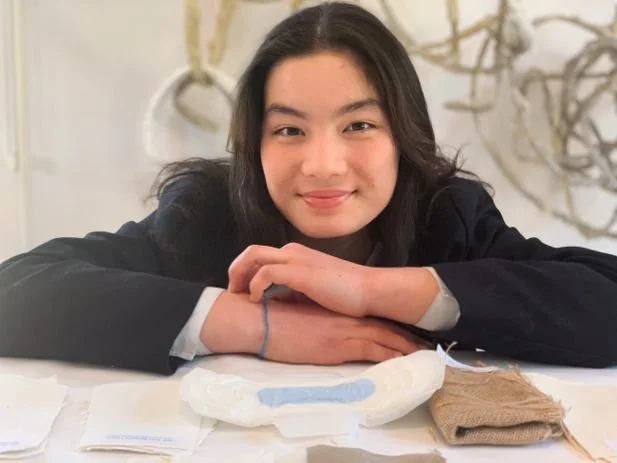
15-year-old Abbotsleigh student Jasmine Foster publishes her first paper
Research Spotlight & STEM Education
A student achievement spotlight celebrating young innovator Jasmine Foster and her contribution to environmental and social change research through academic publication at the age of 15.
Published at fifteen
Jasmine Foster published her first paper in a peer-reviewed journal at the age of 15, highlighting the growing impact of student-led research and innovation.
Key points
Peer-reviewed student publication
Environmental and social change research
Recognition of young STEM innovators
Promotion of youth scientific engagement
Featured student
- Jasmine Foster
The feature in full
The feature highlighted the achievements of Jasmine Foster, an Abbotsleigh student recognised for publishing her first academic paper focused on environmental and social change research.
Her accomplishment demonstrated the opportunities available for students engaging in scientific research and innovation from an early stage in their educational journey.
The article celebrated student leadership, curiosity, and the growing role of youth participation in STEM research and problem-solving initiatives.
2021 STEM Outreach
Fiona McCrossin presents at Ignite the Spark 2021
Education Conference & Public Engagement
A virtual STEM engagement event featuring BIOTech Futures Educational Support & Program Development Advisor Fiona McCrossin presenting the BIOTech Futures Challenge through an interactive Pecha Kucha-style session.
Igniting the spark
Fiona McCrossin participated in Ignite the Spark 2021, presenting the BIOTech Futures Challenge and its impact on STEM education and student innovation.
What happened on the day
Pecha Kucha-style presentation
Virtual STEM engagement event
Promotion of BIOTech Futures Challenge
Education and outreach focus
Student innovation showcase
Featured speaker
- Fiona McCrossin
The event in full
BIOTech Futures Educational Support & Program Development Advisor Fiona McCrossin presented during session three of Ignite the Spark 2021.
The presentation introduced audiences to the BIOTech Futures Challenge and explored how the initiative supports student innovation, scientific curiosity, and STEM engagement across Australia.
Hosted virtually, the event brought together educators, outreach professionals, and STEM advocates to share ideas and showcase innovative educational initiatives.
2021 Research Spotlight
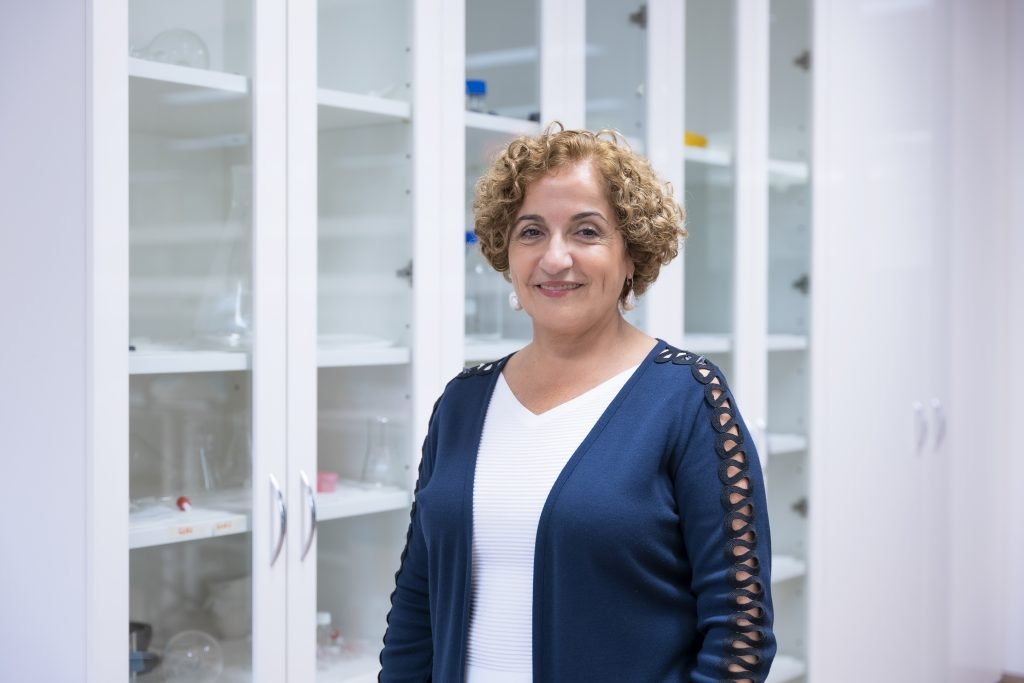
The brilliant mind of Professor Hala Zreiqat
Bioengineering & Regenerative Medicine Innovation
A research and innovation feature highlighting Professor Hala Zreiqat's pioneering work in synthetic bone technology and the future of orthopaedic bioengineering.
Rebuilding bone
BIOTech Futures founder Professor Hala Zreiqat's innovation journey and world-first synthetic bone substitute research were featured through The Brilliant, showcasing advancements in orthopaedics and regenerative medicine.
Key themes
World-first synthetic bone substitute
Advances in orthopaedic bioengineering
Regenerative medicine innovation
Research leadership in biomaterials engineering
Featured researcher
- Professor Hala Zreiqat
The feature in full
The feature explored Professor Hala Zreiqat's work developing synthetic bone substitute technologies designed to transform orthopaedic medicine and skeletal regeneration.
Her research focused on creating materials capable of mimicking the structure and architecture of bone while maximising biological performance for individual patients.
The article highlighted how these technologies may reduce the future need for plates, screws, repeated surgeries, and bone donor procedures, representing a significant advancement in regenerative medicine and biomedical engineering.
2021 Symposium
Communication the key at BIOTech Futures Challenge 2021
Student Innovation & Biotechnology Symposium
A large-scale virtual symposium celebrating student innovation, science communication, and biotechnology research through presentations addressing challenges in healthcare, medicine, sustainability, and environmental science.
Communication takes centre stage
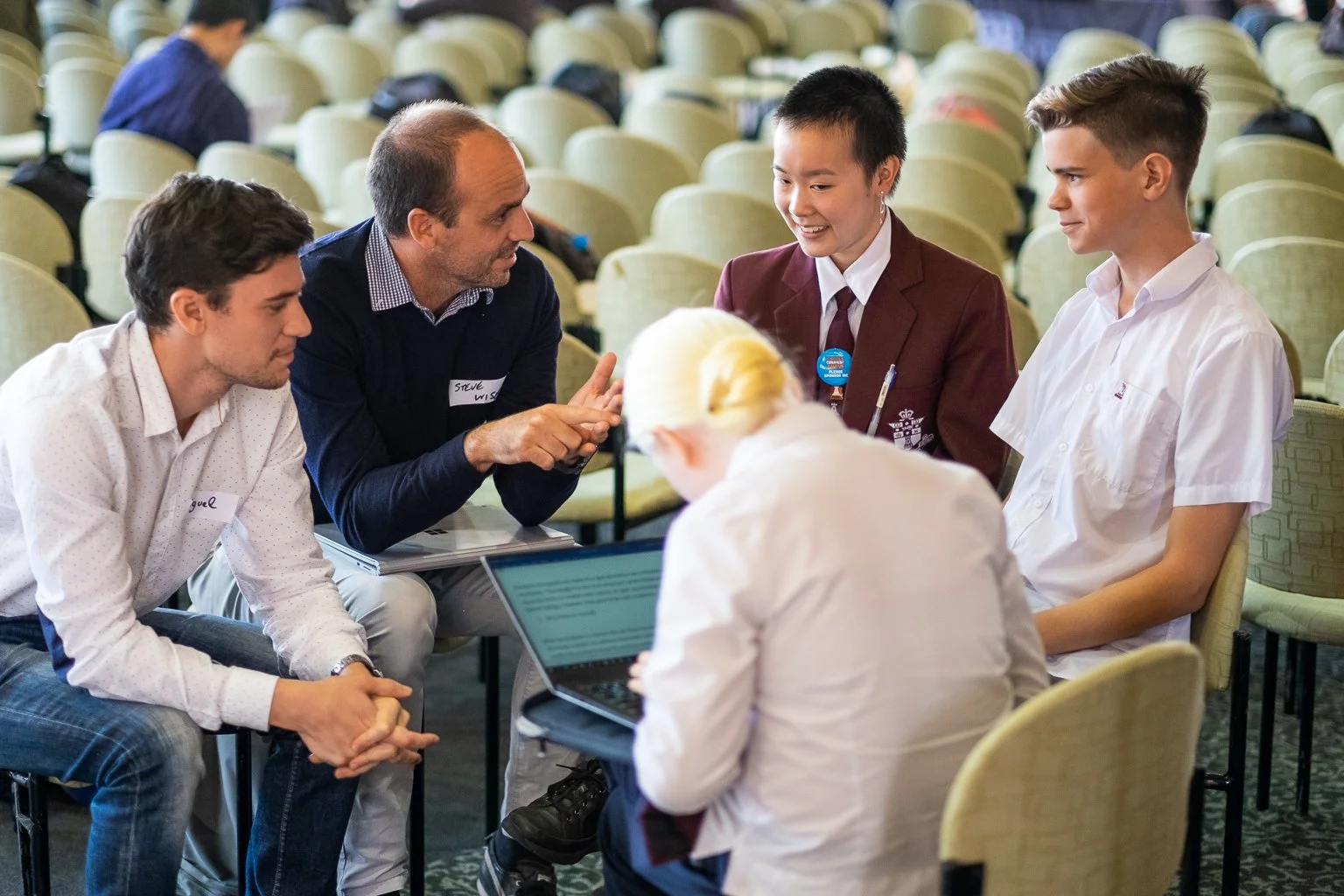
Hosted by the Australian Research Council Training Centre for Innovative Bioengineering, the BIOTech Futures Challenge 2021 Symposium brought together more than 250 students from across Australia and the Middle East to showcase innovative scientific solutions.
What happened on the day
Over 250 participating students
40 finalist presentation teams
Health & Medicine and Energy & Environment themes
Poster presentations and prototype showcases
International student collaboration
Guest presentations from leading scientists
Voices from across STEM
- Dr Karl Kruszelnicki
- Professor Judy Kay
- Professor David Booth
- Karlie Noon
- Professor Chris Little
- Her Excellency the Honourable Margaret Beazley
- Belinda Hutchinson AC
Recognising the best
Best Presentation — MG018 Mona Talks Corona
Runner-Up — MG027 Topical Treatment for Chronic Diabetic Foot Ulcers
Runner-Up — MG016 C-PLAY Movement Therapy
Runner-Up — MBEG1 Biodegradable Tennis Balls
Best Report — MG021 Designing More Efficient Asthma Inhalers
Best Prototype — MG035 Imaging Platform for Thrombotic Disease
The day in full
Effective communication was the key message at the BIOTech Futures Challenge 2021 Symposium, as students showcased innovative ideas tackling challenges in the fields of Health & Medicine and Energy & Environment.
Forty finalist teams were selected to present based on the scientific merit and creativity of their solutions, previously demonstrated through poster displays. Students presented ideas addressing issues including heart disease, diabetes, cerebral palsy, sustainability, and green energy technologies.
The Symposium also featured presentations from leading scientists and communicators discussing MedTech innovation, artificial intelligence, marine ecosystems, Indigenous astronomy, and OneHealth approaches connecting human, animal, and environmental health.
The overall winner for Best Presentation was MG018 — Communicating Health from Santa Sabina College for the app Mona Talks Corona, designed to educate young people about diseases and public health through accessible digital communication.
The event highlighted collaboration, creativity, interdisciplinary research, and the growing importance of youth innovation in biotechnology and STEM education.