
Symposium 2022
A year focused on biomedical innovation, STEM education, scientific research, and student engagement across Australia. Explore keynote seminars, women in STEM initiatives, biotechnology research breakthroughs, engineering outreach programs, tissue engineering discussions, and student innovation events that defined the 2022 BIOTech Futures journey.
2022 Symposium
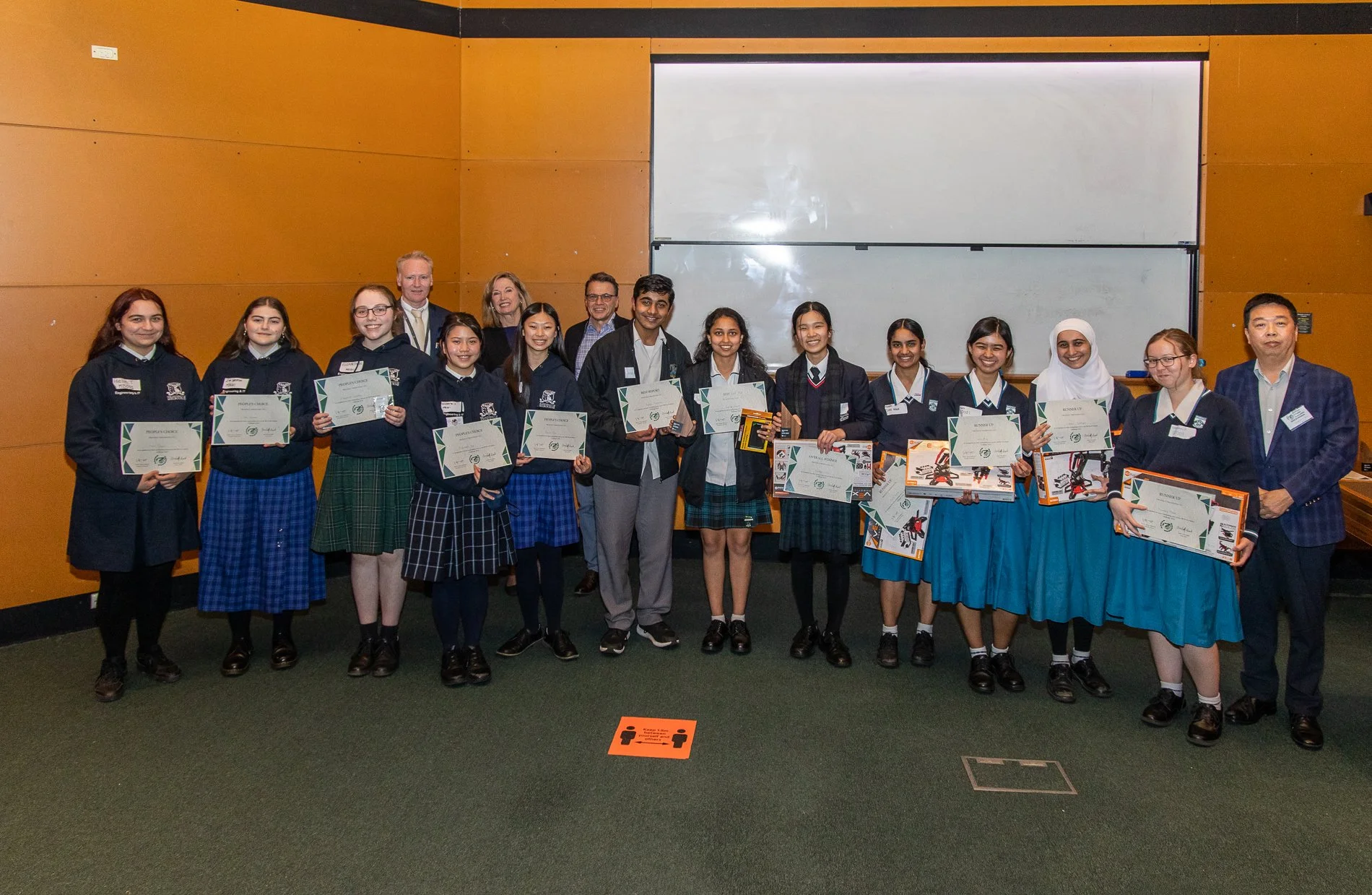
BIOTech Futures 2022 Prize Winners
Student Innovation Challenge
The University of Sydney hosted the 2022 BIOTech Futures Challenge, bringing together students from across Australia and New Zealand to develop innovative solutions in healthcare, biotechnology, and environmental challenges.
Young minds, real innovation
The event showcased some of the finest young minds across Australia and New Zealand through innovative healthcare, engineering, and biotechnology projects developed by high school students.
What happened on the day
Presentations from Vice-Chancellor Mark Scott AO
Guest remarks from Minister Alister Henskens
Presentations from Professor Hala Zreiqat
Student idea and prototype pitching sessions
Engineering and healthcare judging panels
Schools from Australia and New Zealand
Recognising the best
Top prize: restoring touch with optogenics and bioluminescence
Winning student: Evelyn Zhu, Pymble Ladies College
Recognition for accessibility-focused prosthetic innovation
Runner-up prizes for healthcare innovation concepts
Commendation: Baradene College, Auckland, New Zealand
The day in full
Students and audience members heard from University of Sydney Vice-Chancellor and President Mark Scott AO, Minister Alister Henskens, and Professor Hala Zreiqat before finalists presented their ideas and prototypes to judging panels from the engineering and healthcare sectors.
One of the competition's most recognised projects explored restoring touch and sensation for amputees through optogenics and bioluminescence technologies. Developed by Pymble Ladies College student Evelyn Zhu, the project focused on improving accessibility and sensory feedback for prosthetic users.
Additional projects explored innovative healthcare solutions including pressure sore prevention systems, moisture gloves designed to reduce psoriasis symptoms, and automated hospital hygiene technologies developed by students from Baradene College in Auckland, New Zealand.
The event reinforced the importance of STEM education, interdisciplinary problem-solving, and student-led innovation in addressing future healthcare and environmental challenges.
2022 Women in STEM
NSW Women's Week: Bio and Beyond
Women in STEM Symposium
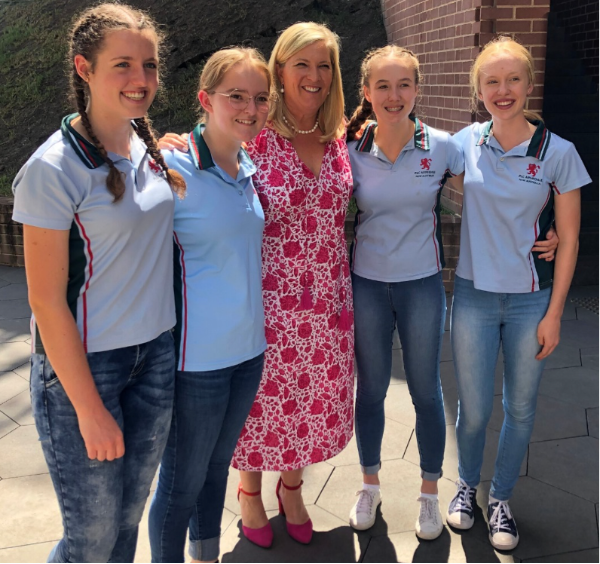
An inspiring STEM engagement event hosted in collaboration with Women NSW, encouraging students across NSW to explore future opportunities in science, biotechnology, engineering, and medical research.
Celebrating women in STEM
As part of the BIOTech Futures Challenge, Bio and Beyond was hosted in collaboration with Women NSW to celebrate Women's Week and inspire students to explore future pathways in STEM, biotechnology, and scientific research.
What happened on the day
Students from Years 10–12 across NSW participated
Regional schools including PLC Armidale and Uralla Central
Hosted by students from Merewether High School
Presentations from leading researchers and STEM professionals
Student innovation and mentorship showcases
Voices from across STEM
The Hon. Bronnie Taylor
Professor Duncan Ivison
Professor Maria Kavallaris
Professor Omad El-Omar
Professor Kathy Belov
The day in full
Students from across New South Wales, including regional schools such as PLC Armidale and Uralla Central School, participated in the event to explore opportunities within STEM education and scientific research.
The symposium was hosted by students from Merewether High School, winners of the 2019 BIO Challenge, who shared their experiences developing the Universal Transdermal Patch project. Opening remarks were delivered by Professor Duncan Ivison from The University of Sydney, while closing remarks were presented by Minister Bronnie Taylor.
Attendees also heard from distinguished researchers including Professor Maria Kavallaris, Professor Omad El-Omar, and Professor Kathy Belov, who shared insights into cancer research, gut bacteria studies, and Tasmanian Devil tumour research.
The event encouraged students to recognise their own leadership potential while promoting diversity, inclusion, and long-term engagement in STEM education and innovation.
2022 Research Seminar
NSW Science & Research Breakfast Seminar Series
The Challenges in Engineering Human Tissue
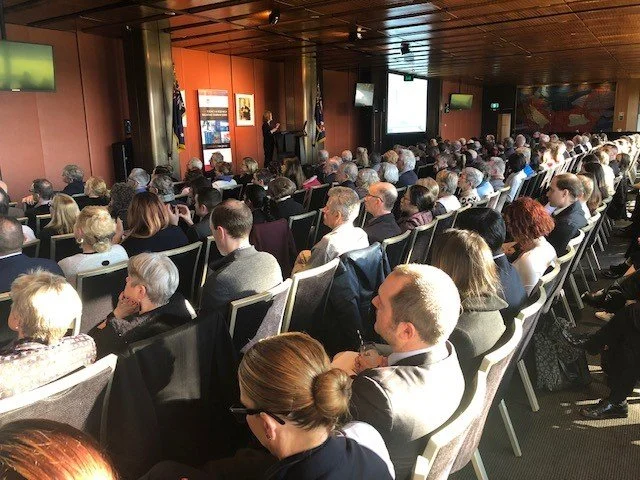
Professor Hala Zreiqat presented cutting-edge research exploring tissue engineering, nanomedicine, biomaterials, and 3D printing technologies as part of the prestigious seminar series hosted by the Office of the NSW Chief Scientist & Engineer.
Engineering human tissue
The seminar explored the future of tissue engineering, nanomedicine, biomaterials, and 3D printing technologies in regenerative medicine and healthcare innovation.
Key themes
Presentation by Professor Hala Zreiqat
Hosted by the Office of the NSW Chief Scientist & Engineer
Focus on nanomedicine and bone regeneration
Exploration of 3D printing technologies in medicine
Presented by
Professor Hala Zreiqat
The seminar in full
During the seminar, Professor Hala Zreiqat discussed innovative strategies combining nanomedicine, materials science, and 3D printing technologies to create transformational therapies for bone regeneration and tissue engineering.
The presentation explored how synthetic bioengineered bioceramics can mimic the structure and behaviour of native bone tissue, opening new possibilities for skeletal and soft tissue regeneration across a range of clinical applications.
The seminar also highlighted advances in regenerative medicine, biomaterials research, and biotechnology innovation while demonstrating the growing role of bioengineering technologies in future healthcare systems. The event formed part of the prestigious NSW Science & Research Breakfast Seminar Series hosted by the Office of the NSW Chief Scientist & Engineer.

2022 STEM Outreach
Experience It! — Women in Engineering Immersion Program
Women in Engineering STEM Experience
A large-scale online engineering immersion program engaging female students across NSW through hands-on STEM workshops, engineering challenges, renewable energy activities, Arduino coding, and design-thinking projects.
Inspiring women in engineering
Experience It! was developed by Engineers Australia's Women in Engineering Sydney Division to inspire young women to explore engineering, creativity, teamwork, and real-world STEM problem-solving through immersive learning experiences.
What happened on the day
100 female students from Years 7–10 across NSW
Six university-led engineering workshops
Renewable energy and sustainability activities
Arduino coding and lightshow design
Water filtration engineering challenge
Mechanical, civil, aerospace, electrical, and software activities
Inter-school innovation presentations and competition
Delivered with
University of Sydney
Macquarie University
UNSW
UTS
Western Sydney University
University of Wollongong
The day in full
The Experience It! program was designed as an online engineering immersion experience encouraging young women to embrace mathematics, science, technology, and engineering while building confidence in teamwork and creative problem-solving.
Students participated in engineering workshops using the Engineering Design Process through hands-on activities facilitated by university outreach teams, graduate engineers, and industry professionals across multiple engineering disciplines.
Workshop experiences included renewable energy wind turbine projects, Arduino-powered coding challenges, water filtration system design, engineering sustainability activities, and propulsion experiments exploring aerospace and mechanical engineering principles.
The event concluded with collaborative inter-school presentations where students showcased their engineering solutions, innovation strategies, and design-thinking approaches to judges from universities and industry organisations.
2022 STEM Initiative
The Connecting Minds Project
Space Science and STEM Education Initiative
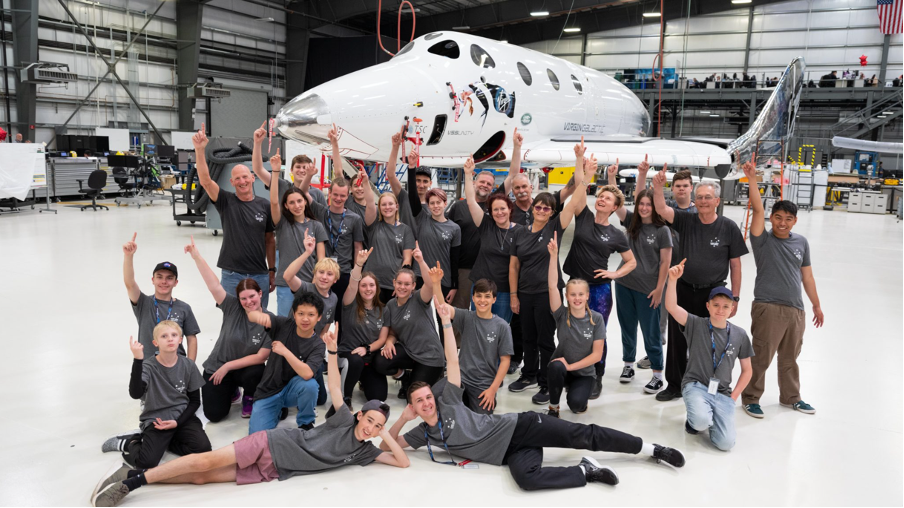
A STEM education initiative designed to inspire students and educators through engaging space science, technology, engineering, and innovation programs developed by the One Giant Leap Australia Foundation.
Reaching for the stars
The Connecting Minds Project introduced students and educators to immersive STEM learning opportunities focused on science, technology, engineering, mathematics, and space exploration.
What it offered
Space science and exploration programs
STEM education and innovation initiatives
Collaboration between government, industry, and community
Interactive learning experiences for students and educators
Future-focused science and technology engagement
About the initiative
The Connecting Minds Project was developed by the One Giant Leap Australia Foundation, an organisation dedicated to creating life-changing educational opportunities for students and educators across STEM disciplines.
The initiative delivered engaging programs focused on space science, technology, engineering, and exploration while encouraging curiosity, creativity, and long-term engagement with STEM education pathways.
The Foundation also promoted equitable and diverse learning opportunities by connecting government, industry, innovation sectors, and local communities through collaborative educational experiences.
2022 STEMM Equity
Gender Equity and Diversity in STEMM at QUT
Official Action Plan Launch
An official launch event celebrating equity, diversity, and inclusion in STEMM while supporting the visibility, development, and leadership of women in scientific research, innovation, and higher education.
Equity and diversity in STEMM
QUT launched its Gender Equity and Diversity in STEMM Action Plan 2022–26, highlighting initiatives supporting female researchers and celebrating diversity across the scientific research community.
What happened on the day
Official launch of the STEMM Action Plan 2022–26
Focus on equity and diversity in STEMM
Leadership presentations from university executives
Keynote reflections on women in scientific research
Support for culturally diverse researchers
Voices from across STEMM
Professor Margaret Sheil
Professor Christopher Barner-Kowollik
Professor Hala Zreiqat
The day in full
QUT's Gender Equity and Diversity in STEMM Action Plan was developed to support the recruitment, development, and visibility of female researchers while celebrating the achievements of culturally diverse research communities.
The launch event was facilitated by QUT Vice-Chancellor Professor Margaret Sheil and Deputy Vice-Chancellor and Vice President (Research) Professor Christopher Barner-Kowollik, who highlighted the importance of inclusive leadership within scientific research and higher education.
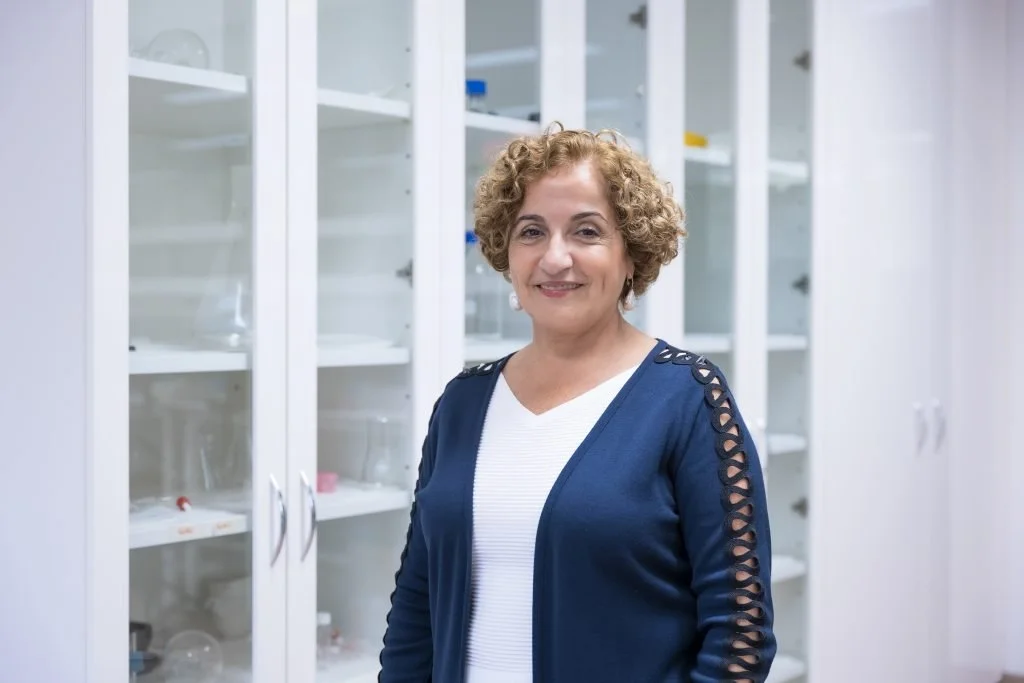
Professor Hala Zreiqat from The University of Sydney delivered keynote reflections on her personal and professional experiences as a culturally diverse woman in STEMM, discussing the importance of representation, mentorship, and institutional support in scientific innovation.
The event reinforced the importance of long-term equity initiatives in strengthening diversity, leadership, and inclusion across STEMM disciplines and research communities.
2022 Research Feature
Breakthrough Nanotechnology Research
7NEWS Biomedical Engineering Feature
A breakthrough biomedical engineering research project exploring how fluorescent nanoparticles derived from rotten oranges may assist with rapid disease detection, early cancer diagnosis, and future healthcare innovation through nanotechnology.
Diagnosis from rotten fruit
Researchers from the University of Sydney developed an innovative nanobiosensor technology using rotten fruit to assist with rapid, low-cost disease detection and early cancer diagnosis.
Key findings
Development of fluorescent carbon-dot nanobiosensors
Research into early cancer detection
University of Sydney biomedical engineering innovation
National media coverage including 7NEWS and ABC
Application of nanotechnology in healthcare diagnostics
Led by
Mr Pooria Lesani
Professor Hala Zreiqat
The research in full
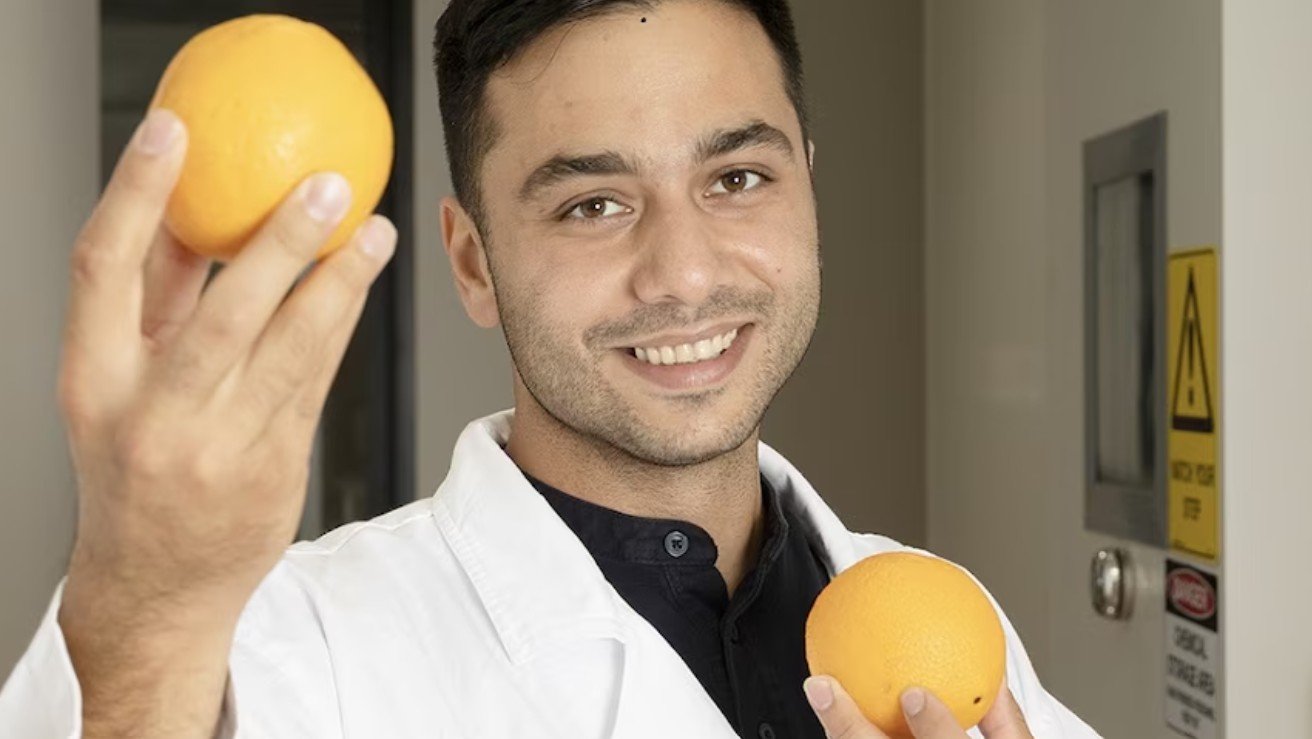
Researchers at the University of Sydney explored how fluorescent carbon dots created from rotten oranges could be used to detect disease-related pH changes in cells and assist with identifying early-stage diseases.
Lead PhD student Mr Pooria Lesani developed a nanobiosensor capable of identifying cells at risk or in the early stages of cancer and other diseases. The research aimed to create low-cost, highly accurate, and rapid diagnostic technologies for future healthcare applications.
The technology used fluorescent nanoparticles produced from rancid orange juice rich in ascorbic acid. Through high-temperature and high-pressure processes, the material was transformed into carbon dots used within the nanobiosensor system.
The research was conducted under the supervision of Professor Hala Zreiqat, Director of the ARC Centre for Innovative BioEngineering and Head of the Biomaterials and Tissue Engineering Unit. The project later received national media attention through ABC and 7NEWS coverage, highlighting the growing impact of interdisciplinary biomedical engineering and nanotechnology research.